Friday, May 10, 2013

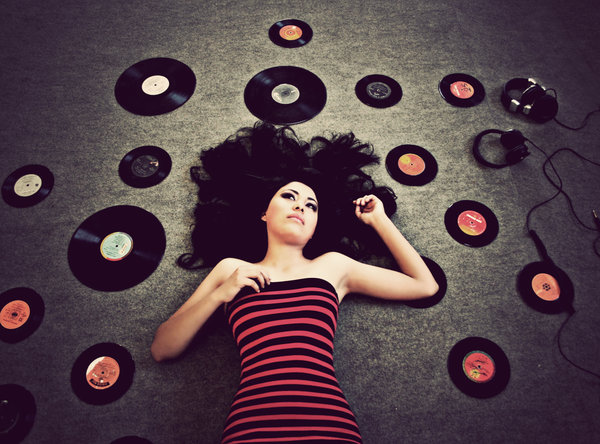
Music Photography

As a huge music fan I’ve always enjoyed music photography and artwork. This post brings you  inspiring pieces of music photography. All of these photos have great compositions, and are full of energy and creativity. Enjoy!

Music Photography

Music Photography

Music Photography

Music Photography

Music Photography

Music Photography

Music Photography

Music Photography

Music Photography

Night Photography


Why do so many casual and amateur photographers shy away from taking pictures once the sun goes down? Haven't they seen the great pictures taken at night by other photographers? Maybe they think those type pictures can only be made by professional photographers with thousands of dollars worth of equipment. Well that line of thinking is not true at all.

Taking night shots is not as difficult as some may think. If you have a camera, a tripod, and a subject you can take some great night shots. That is, as long as there is some light available. It can be artificial light, moonlight, or ambient light from the atmosphere just after sunset.

Night Photography

Night Photography

Night Photography

Night Photography

Night Photography

Night Photography

Night Photography

Night Photography

Night Photography

Night photography gives you a chance to have the type of shots that are out of the ordinary and not the same type pictures everyone else has.

A few of the more popular night photography subjects are city skylines, well lit downtown areas, moonlit scenes, and tourist attraction areas. However, any scene in your own neighborhood or town that has some sort of light in it is fair game for night photography.

Sports Photography


Usually, professional sport photographers use highly sophisticated equipment including digital SLR cameras with very long lenses to catch the action up close. In order to get best sports photography shots, they often use different camera angles. Even if you don't have top equipment or know all the techniques of commercial advertising sport photography, there is no reason to get discouraged.

Sports Photography

Sports Photography

Sports Photography

Sports Photography

Sports Photography

Sports Photography

Sports Photography

Sports Photography

Sports Photography

Because sports photography is quite fast paced, you'll need to start with a lot of light. If you're trying to take pictures of an indoor basketball or volleyball game, you may have problems getting good pictures. If you have a very strong flash for your camera, that will help quite a bit. Many point and shoot digital cameras don't have strong enough flash for this, especially when parents tend to try taking the pictures from the stands which are a bit too far away from all the action.

Nowadays, many photographers use photo editing software for improving the clarity and composition of sports photography shots. If you are unhappy with any of the pictures you have taken, try using such software to make the most of them. Still, an originally well shot picture has far more impact that lasts for a long time.

Nature Photography


The term Nature Photography refers to a large genre of photography that deals with natural occurring elements and the great outdoors.

Some subjects of Nature Photography would be Wildlife and animals, flowers, trees or plants, spiders, snakes and insects, landscapes, seascapes and other land formations. Photographic views can range from extreme macro photography or closeups to large panoramic triptych style photographs. Unlike documentary photography and Fine Art Photography which deal with a subject matter or artist point of view, Nature Photography usually aim to be more aesthetically pleasing. Nature Photography tries to express the beauty of its subject through color, depth and perspective.

Nature Photography

Nature Photography

Nature Photography

Nature Photography

Nature Photography

Nature Photography

Nature Photography

Nature Photography

Nature Photography

Nature Photography is a very broad term and so contains many subcategories. Some of the more popular categories and subjects are Wildlife, Landscapes, Seascapes, Plants and many more.

Nature is still the most popular category of photography today. Whether Nature pictures are taken professionally or by the vacationing amateur, the category of Nature Photography goes on strong and is here to stay.

Animal Photography


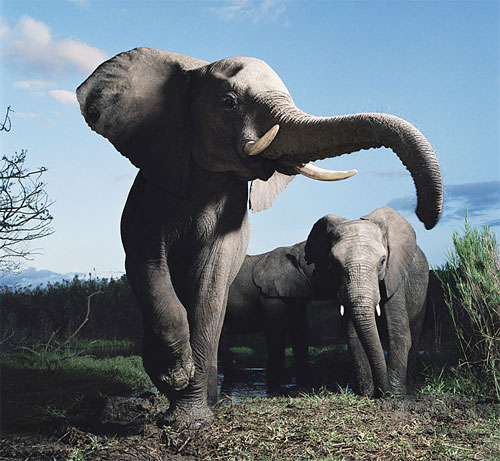
If you love taking pictures of animals then this article will be sure to give you some practical tips that you can immediately start using. Animal photography, also called wildlife photography, encompasses the entire world of animals from your pets to polar bears. This article focuses on photographing wildlife, but you can apply many of these tips to photographing Muffin or Fido. To learn how nature photographers get those fantastic images of wildlife...

The photography basics for taking great pictures of wildlife begin with these tips. As always there are exceptions, but the following go a long ways towards ensuring successful animal photography:

o Use natural lighting to your advantage. 
o Fill the frame with the subject. 
o Focus on the eyes. 
o Shoot from various angles. 
o Capture personality.

Perhaps you are wondering how you can, without a humongous lens and SLR safely get close enough to a wild animal to "capture personality" or "fill the frame"?

Actually even professional wildlife photographers don't always take their winning photographs in the wild. Most of the wonderful pictures you see of wolves, polar bears and other wild creatures were taken at wildlife sanctuaries and zoos. Cheating? Maybe, but it's safer for the photographer and doesn't disturb their free roaming cousins' mating and feeding cycles.

Some of the wildlife sanctuaries offer special tours for photographers, but even without the advantages these tours offer (often being allowed to get closer shots and without all the people), there are many things the hobbyist with a compact can do to take professional looking photographs of wildlife.

Animal Photography

Animal Photography

Animal Photography

Animal Photography

Animal Photography

Animal Photography

Animal Photography

Animal Photography

Animal Photography

Animal Photography Tips for Wildlife Sanctuaries and Zoos

Simplify the Composition: If the background is distracting, use a wide aperture or Portrait mode to blur it. Or use a photo editor like Photoshop to clean up or blur the background.

Go Natural: Avoid showing cage bars, fences, humans, signs, etc. If it is safe and not against the rules to do so, point the lens through a gap in the chain link, so you can take the photo without the fence showing. Sometimes there will be a vantage point that allows you to shoot over the top of the fence. Look for these opportunities. Again, use a good photo editor to blur what you couldn't eliminate while shooting the photo.
Fill the Frame: Use zoom (optical for best quality) or a telephoto lens to get close up.

Use Sports Mode: Use sports mode or set shutter speed priority to around 1/250 to freeze movements.
Use Light and Weather to Best Effect: Overcast days are often best for animal photography. If the overcast isn't too bright, it will prevent glare from light colored or watery backgrounds. If the overcast is too dark and you have an SLR, raise the ISO. With the right amount of overcast, you can get well exposed, sharp pictures with your compact, and the animals won't be squinting. Since the eyes are usually very expressive and the best place to focus, you really want to avoid squinting. Another way to eliminate this is photograph when the animal's back is to sun. In this case you will need to use fill flash (turn off automatic flash and set to "On") to prevent underexposure or a silhouette, and you will need to use a lens hood or wear a broad brimmed hat to prevent lens flare.

Try this When Shooting through Glass: When you want a picture of a terrarium or aquarium critter, turn on the flash and shoot from an angle. Be sure to check your manual for the safe distance when using flash to photograph living beings without damaging eyes. Or turn off flash and gently press your lens right up against the glass.

Plan your Visits for the Best Photo Ops: Others will especially love seeing your animal photography when it includes baby animals. Often sanctuaries and zoos post on their websites when new babies are arriving, or you can call and check. Another good photo op is feeding time. Animals that stay in hiding throughout much of the day will come out to eat. Finally, if you're visiting a sanctuary or zoo when the weather's hot, go early in the day when the animals will be most active, not napping.

Use Context: While usually it's best to fill the frame with the animal, sometimes the context is too interesting to bypass. Examples of using context: a child and baby animal looking at each other, a giraffe, long neck bent as it peers down at a car in front of yours at the drive-through safari park.

Capture Expressions: Animals, whether our pets or wildlife, make the cutest expressions. Be ready with your camera! Even just normal expressions like a wolf pup yawning or a tiger licking its lips are cute or interesting. The more you learn about you favorite species, the better able you will be to be ready for their fun shots.

So, the next time you're ready to take some wildlife pictures, use these animal photo tips and you'll be amazed at the difference applying this tips can have on your photos.

Amazing Photography


There are many incredible photography techniques for beginners. I will present five of them in this article.
Black and white photography

It's extremely easy to transform a color picture to black and white, yet the result can be very impactful.

You can easily do this using software such as Adobe Photoshop.

Motion blur photography

Motion blur photography is a technique that can be used to create a sense of speed in the picture or create cool light streaks. Although some of these effects can be achieved in Photoshop, you often get a better result doing it "the real way".

The trick here is to put your camera on a tripod and use a long shutter speed together with a closed aperture or ND filters.

Some ideas you might want to try out: 
- Taking pictures of the cars on the highway (which will give you some cool light streaks from the front and rear lights of the cars). 
- Taking pictures of waterfalls (this will make the water look like smoke)

Amazing Photography

Amazing Photography

Amazing Photography

Amazing Photography

Amazing Photography

Amazing Photography

Amazing Photography

Amazing Photography

Amazing Photography

Macro photography

I have to warn you; macro photography is addictive and will make you see the world from a completely new perspective. All you need is a macro lens and a keen eye for details.

Using macro lenses, you will be able to get extremely close to the subject and reveal details that you previously couldn't see. You can take close ups of insects or make some really abstract images by taking pictures of everyday items.

HDR

HDR stands for high-dynamic range and can create some stunning and sometimes surreal images. The most common techniques is to take 3 identical images with different exposures and then transforming it into a HDR image on the computer.

The result can often be that you get pictures where both the sky and ground is equally exposed. It doesn't look very realistic, but it can produce some extremely interesting pictures.

Panoramic photography

A panoramic photo is usually made from several photos that are put together into one wide image. This technique is commonly used in landscape photography, but also has other applications.